
How Long Ignition Interlock Lasts in Every State
Find Coverage with Points on Your LicenseHow long you keep an ignition interlock device depends on your state's DUI tier structure and your BAC at arrest
First-offense DUI drivers face ignition interlock requirements ranging from 90 days in states like Tennessee to 1 year in California, with most states landing at 6 months. Your actual installation period depends on three factors: whether this is your first, second, or third DUI; your blood alcohol concentration at arrest (most states apply longer periods above 0.15% BAC); and whether you refused chemical testing.
Second offenses typically double the first-offense period. A second DUI in Florida requires 1 year of ignition interlock; in Arizona, 12-18 months. Third offenses trigger 2-3 year requirements in most states, and some states including Arizona and Alaska impose permanent interlock requirements after a fourth DUI.
The device installation period is separate from your SR-22 filing period and your insurance surcharge window. In most states, you file SR-22 for 3 years after a DUI, and carriers apply rate surcharges for 3-5 years from the conviction date. The ignition interlock comes off long before your insurance rate returns to baseline.

States with the shortest ignition interlock periods for first-offense DUI
Tennessee, Montana, and West Virginia impose 90-day minimums for first-offense DUI, the shortest mandatory periods in the country. Tennessee requires 90 days for a first offense with BAC under 0.20%; Montana applies 90 days for first offenders enrolled in the 24/7 sobriety program as an alternative; West Virginia mandates 90 days for first offenses under 0.15% BAC.
Several states impose no ignition interlock requirement at all for a first DUI below high-BAC thresholds. Michigan does not require ignition interlock for a first offense unless BAC exceeded 0.17% or the driver caused injury. South Dakota makes ignition interlock optional for first offenses under 0.17% BAC. Ohio does not mandate ignition interlock for first-time offenders below 0.17% unless the judge orders it as a condition of probation.
Shorter device periods do not mean lower insurance impact. A 90-day ignition interlock period in Tennessee still triggers a 3-year SR-22 filing requirement and a typical 80-120% rate increase for 3-5 years. The device comes off in 3 months; the surcharge lasts three to five years.

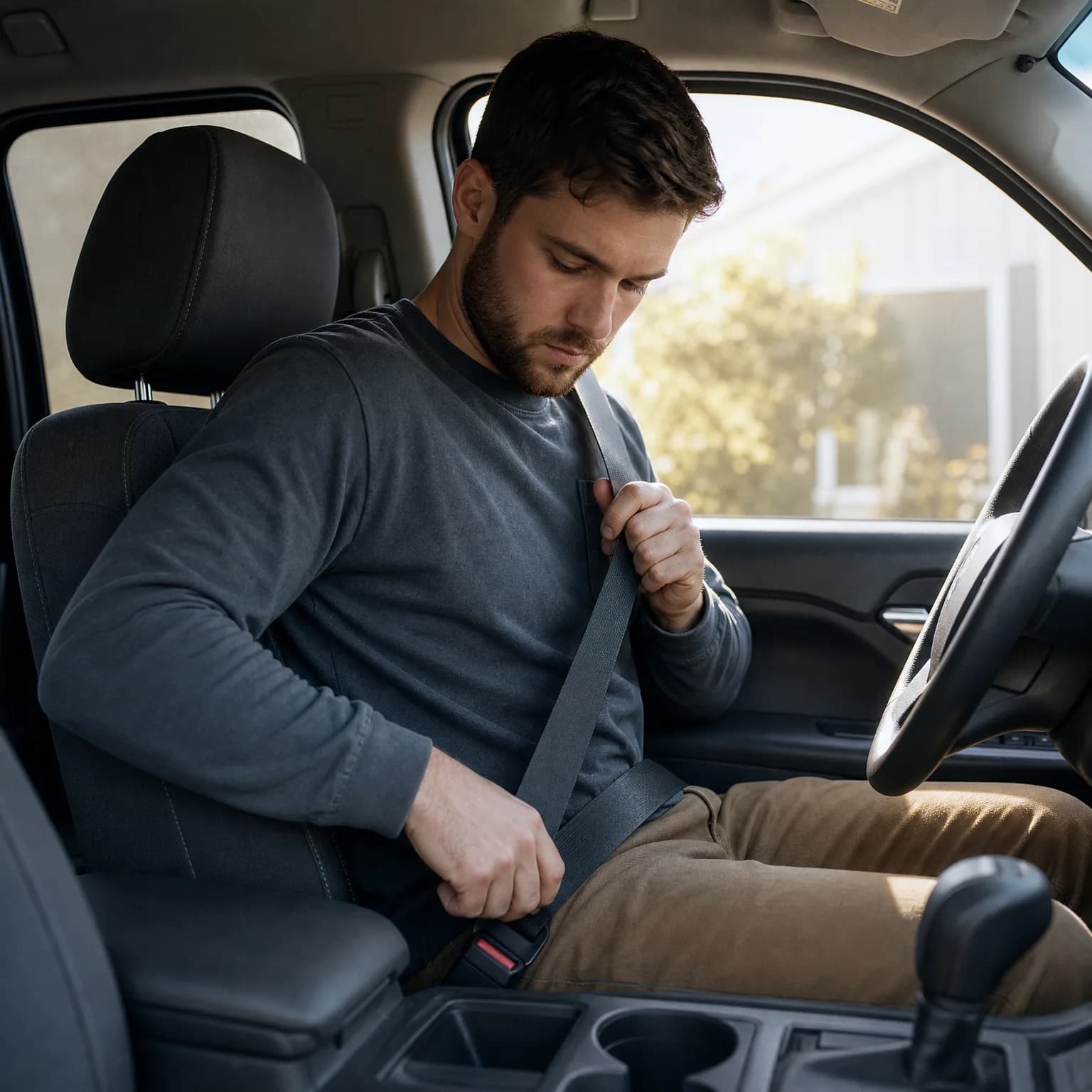
States with the longest ignition interlock periods for first-offense DUI
California, Connecticut, Delaware, Hawaii, New Mexico, Oregon, Virginia, and Washington require 12 months of ignition interlock for first-offense DUI. California applies 12 months statewide under its mandatory ignition interlock pilot program. Oregon mandates 1 year for all first offenses regardless of BAC.
High-BAC first offenses trigger extended periods even in states with shorter baseline requirements. Arizona requires 12 months for a first DUI above 0.15% BAC, compared to 6 months for standard first offenses. Florida applies 6 months for first offenses above 0.15% BAC and 12 months if BAC exceeded 0.20% or a minor was in the vehicle. Illinois mandates 12 months for first offenses above 0.16% BAC.
Alaska, Arizona, Kansas, Nebraska, New Mexico, Oregon, Utah, and Virginia allow ignition interlock installation to count toward restricted driving privilege during the suspension period, which can reduce total hardship for drivers who install early. In Arizona, a first-offense driver who installs ignition interlock immediately can drive to work, school, and treatment during what would otherwise be a 90-day hard suspension.
Second and third DUI offenses double or triple ignition interlock periods in most states
Second-offense DUI triggers 1-2 year ignition interlock requirements in most states. Florida requires 1 year for a second DUI, 2 years if the second offense occurred within 5 years of the first. Arizona mandates 12 months for a second offense, 18 months if BAC exceeded 0.15%. California applies 1 year for a second DUI; New York requires 12 months.
Third offenses push periods to 2-3 years in most states. Illinois requires 2 years for a third DUI. Virginia mandates 2-3 years depending on the lookback period. Georgia applies 2 years for a third offense within 10 years. Pennsylvania requires 1 year for a third DUI but extends to 18 months if the court orders treatment compliance monitoring.
Four states impose permanent ignition interlock requirements after multiple DUIs. Arizona requires lifetime ignition interlock after a third DUI with no eligibility for removal. Alaska mandates permanent interlock after a fourth DUI. Kansas applies lifetime interlock after a third conviction within 10 years. Nebraska requires permanent installation after a fourth DUI with possible removal after 15 years if the driver maintains a clean record.

See What Points Are Really Costing You
Find Coverage with Points on Your License
Ignition interlock costs $70-$150 per month, and most states do not subsidize installation or monitoring fees
Ignition interlock installation costs $70-$150 depending on the provider and vehicle type. Monthly monitoring and calibration fees add $60-$90. Total cost for a 6-month first-offense requirement runs $500-$700; a 12-month period costs $900-$1,200. Diesel engines, commercial vehicles, and motorcycles require specialized devices that cost 20-40% more.
Twelve states offer fee waivers or reduced rates for low-income drivers who meet income eligibility thresholds, typically 200% of federal poverty level. California, Oregon, Washington, New Mexico, and Virginia allow providers to offer indigent rates of $20-$40 per month for drivers who qualify. Most states require the driver to apply for the waiver through the ignition interlock provider, not the DMV.
You pay ignition interlock fees separately from SR-22 filing fees and reinstatement fees. In Florida, a first-offense DUI driver pays $130 reinstatement fee, $25 SR-22 filing fee annually, and $700-$900 in ignition interlock costs over 6 months. In Arizona, total upfront costs for reinstatement with ignition interlock run $1,200-$1,500 including the $500 reinstatement fee, device installation, and first month monitoring.

Your insurance surcharge lasts longer than your ignition interlock requirement in every state
Carriers apply DUI surcharges for 3-5 years from the conviction date under current rating rules. The ignition interlock period ends in 6-12 months for most first offenses; the insurance surcharge continues for 3-5 years. California drivers complete ignition interlock in 12 months but carry a DUI surcharge for 36-60 months depending on the carrier.
SR-22 filing periods run concurrently with the insurance surcharge window but typically outlast the ignition interlock requirement by 2-3 years. In Florida, ignition interlock ends after 6 months for a first offense; SR-22 filing continues for 3 years. In Illinois, ignition interlock ends after 12 months for a first high-BAC offense; SR-22 filing continues for 3 years and the surcharge persists for 5 years on most carriers.
You can remove the ignition interlock device once you satisfy the state-mandated period and pay the removal fee, typically $50-$100. You cannot remove SR-22 filing until the DMV-mandated period ends. Your rate does not drop when the device comes off. Your rate begins to decline 3-5 years after the conviction date, when the DUI surcharge expires and the violation ages off the carrier's lookback window.
Violations during the ignition interlock period extend your requirement and can trigger new suspension
Ignition interlock violations include failed breath tests above the programmed limit (typically 0.02% BAC), missed rolling retests while driving, skipped calibration appointments, and tamper alerts. Most states allow 1-2 minor violations per monitoring period before applying penalties. A third violation within 30 days or any major violation (attempting to bypass the device, driving without the device installed) triggers an extension or new suspension.
California extends the ignition interlock period by 3-6 months for major violations. Arizona adds 6 months to the requirement for circumvention attempts. Florida suspends driving privileges for 30 days and restarts the ignition interlock clock at zero for serious violations. Illinois revokes restricted driving privileges and requires the driver to reapply for reinstatement after tampering or pattern violations.
Violations also affect insurance directly. Most ignition interlock providers report major violations to the DMV, which then appear on your driving record. Carriers review ignition interlock compliance reports during renewal underwriting in some states. A pattern of failed rolling retests or skipped calibrations can trigger a mid-term cancellation or non-renewal even if the violation did not result in formal DMV action.
Frequently Asked Questions
Can I get my ignition interlock requirement reduced if I complete alcohol treatment early?
Most states set ignition interlock periods by statute and do not allow early removal even if you complete treatment or maintain a clean record during the monitoring period. A few states including Arizona and Kansas allow judges to reduce the period by 25-50% for drivers who complete court-ordered treatment and demonstrate 6-12 months of violation-free monitoring. You must petition the court that imposed the requirement; the DMV cannot reduce the period administratively.
Does my ignition interlock period count toward my SR-22 filing requirement?
The ignition interlock period and SR-22 filing period run concurrently but the SR-22 period typically lasts 2-3 years longer. If you install ignition interlock for 6 months and your state requires 3 years of SR-22, you continue filing SR-22 for 2.5 years after the device is removed. Completing ignition interlock does not reduce the SR-22 filing period.
What happens to my insurance rate when the ignition interlock comes off?
Your insurance rate does not drop when the ignition interlock device is removed. Carriers apply DUI surcharges based on the conviction date, not the device installation period. Most carriers surcharge DUI for 3-5 years from conviction under current rating rules. Your rate begins to decline 3-5 years after the DUI, when the conviction ages off the carrier's lookback window.
Can I install ignition interlock in one car and drive other vehicles without it?
No. When a state requires ignition interlock, you cannot operate any vehicle unless it is equipped with a functioning device tied to your license. If you have access to multiple vehicles, you must install ignition interlock in every vehicle you intend to drive, or certify to the DMV that you do not have access to other vehicles. Driving an unequipped vehicle during the ignition interlock period triggers a violation, license suspension, and possible criminal charges for circumvention.
Related Articles

First DUI in Washington: Rates, IID & Insurance Cost
5/17/2026

How Long Does a DUI Affect Insurance Rates by State
5/17/2026

Car Insurance After First DUI in Illinois | Rates & AAIP
5/17/2026
First DUI in Indiana: Rates, SR-22 & BMV Reinstatement
5/17/2026
Car Insurance After First DUI in Georgia | DDS Process
5/17/2026

AZ Breathalyzer Refusal: 12-Mo Suspension + Rates
5/17/2026