What Affects Rates in Anchorage
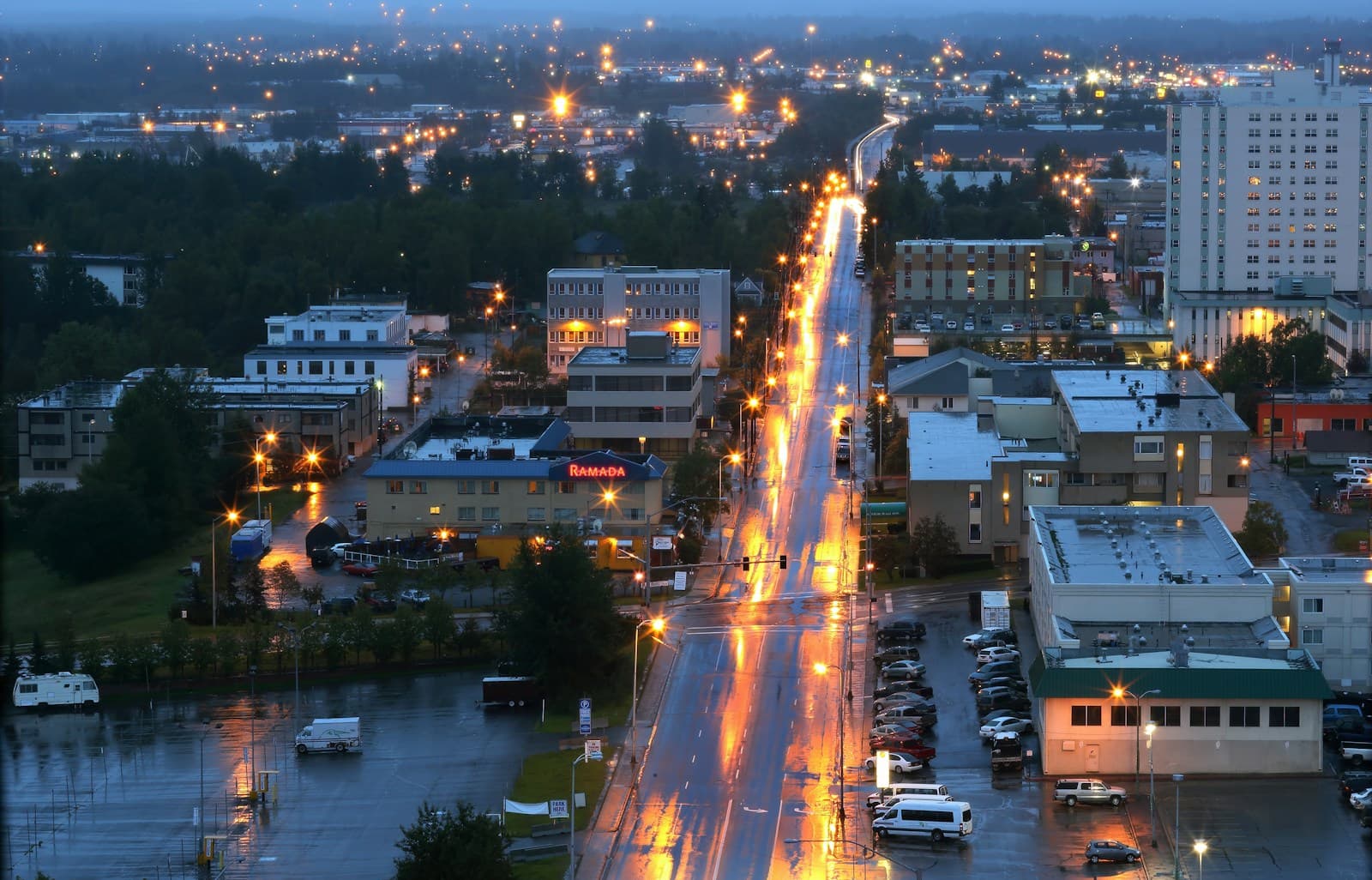
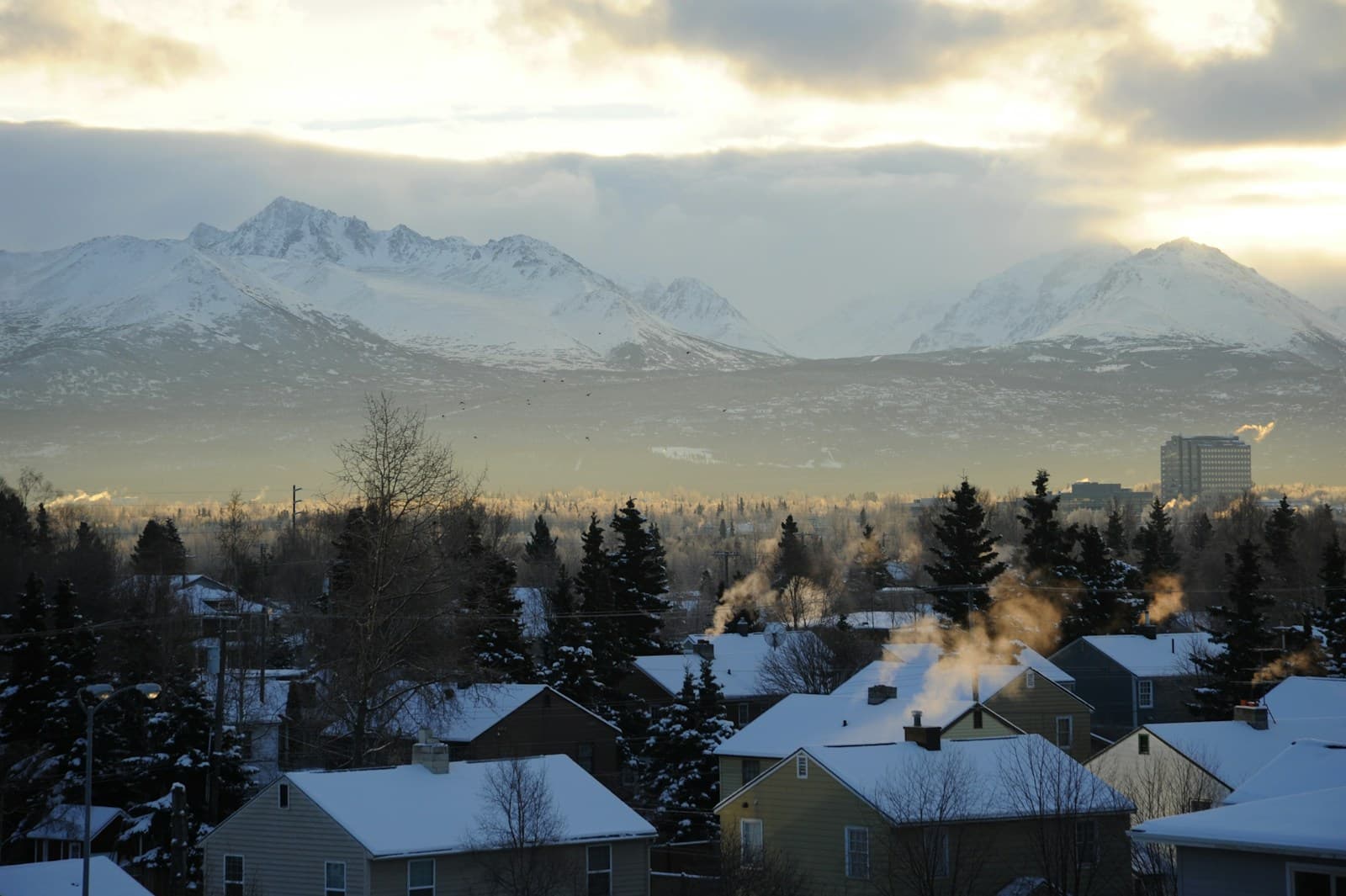
- Extreme Winter Driving Conditions: Anchorage experiences prolonged ice and snow from October through April, with daily average temperatures below freezing for five months. High-risk drivers with prior at-fault winter accidents face steeper rate increases because carriers view the combination of violation history and extreme weather exposure as compounding risk.
- Limited Carrier Competition: Alaska's remote geography and small population mean fewer national carriers operate in Anchorage compared to lower-48 cities. High-risk drivers often find only 3–5 non-standard carriers willing to write SR-22 policies, reducing price competition and keeping premiums elevated.
- High Uninsured Motorist Rate: Approximately 14% of Alaska drivers operate uninsured, one of the higher rates nationally. This increases uninsured motorist coverage costs for high-risk drivers and elevates baseline liability premiums across the Anchorage market.
- Rural Road Network and Wildlife Collisions: Many Anchorage-area drivers commute on highways with high moose and wildlife collision rates, particularly the Glenn Highway and Seward Highway corridors. Drivers with prior at-fault accidents who frequently travel these routes see higher comprehensive and collision premiums due to elevated animal-strike risk.
- DUI Enforcement and Court System: Alaska enforces mandatory ignition interlock for all DUI convictions and requires SR-22 for reinstatement. The Anchorage court system processes these cases through the Third Judicial District, and compliance timelines directly affect when high-risk drivers can access standard-market rates again.
Compare rates from carriers that work with drivers who have points
Standard carriers surcharge heavily after violations. These specialists price your specific record differently.
Get Your Free QuoteCoverage Recommendations
Cost estimates are based on available industry data and vary by driver profile. These are not insurance quotes.
SR-22 Insurance
SR-22 is not insurance but a state-mandated certificate filed by your carrier proving you carry Alaska's minimum liability: 50/100/25. In Anchorage, non-standard carriers charge $180–$350/month for SR-22 liability policies, with the filing itself adding $25–$50 one-time.
$180–$350/mo + $25–$50 filing feeEstimated range only. Not a quote.
Liability Insurance
Alaska requires 50/100/25 minimums: $50,000 bodily injury per person, $100,000 per accident, $25,000 property damage. High-risk drivers in Anchorage pay $180–$350/month for state minimums; carrying only minimums leaves you personally liable for damages exceeding these limits in at-fault accidents.
$180–$350/mo for 50/100/25Estimated range only. Not a quote.
Uninsured Motorist Coverage
With roughly 14% of Alaska drivers uninsured, uninsured motorist coverage protects you when an at-fault driver has no insurance. High-risk drivers in Anchorage should prioritize UM coverage matching their liability limits, adding $30–$70/month to premiums but covering medical bills and vehicle damage the uninsured driver cannot pay.
+$30–$70/mo for UM matching liabilityEstimated range only. Not a quote.
Full Coverage
Full coverage combines liability, collision, and comprehensive. For high-risk drivers in Anchorage with financed vehicles or assets to protect, full coverage typically costs $280–$500/month based on violation severity, vehicle value, and deductible selection. Collision covers winter slide-offs; comprehensive covers the frequent moose and wildlife strikes on Anchorage-area highways.
$280–$500/mo for high-risk driversEstimated range only. Not a quote.