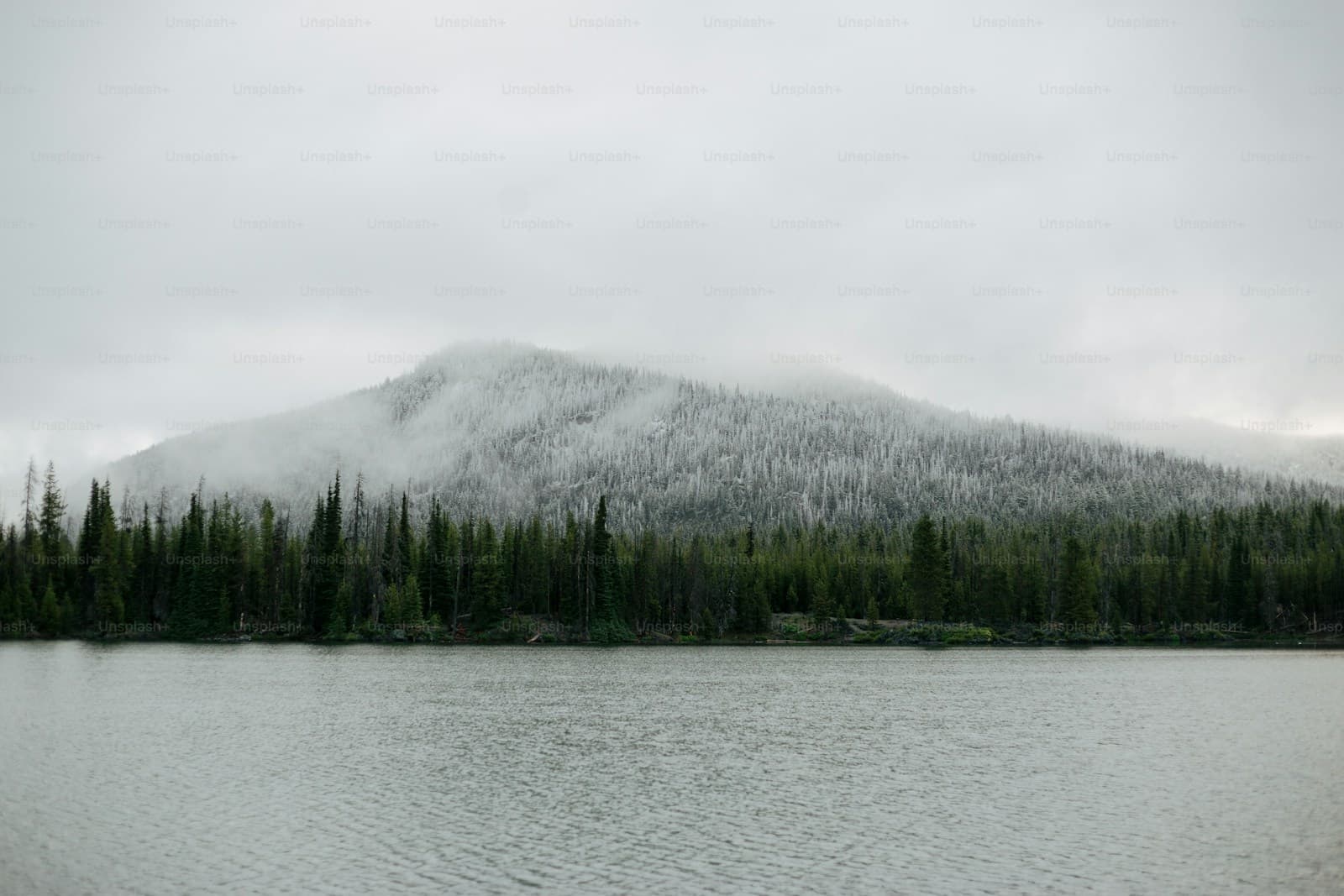
What Affects Rates in Ketchikan
- Geographic Isolation and Carrier Availability: Ketchikan is accessible only by ferry or plane, limiting the number of carriers willing to write high-risk policies in Southeast Alaska. Most drivers with SR-22 requirements rely on non-standard insurers with Alaska-wide programs rather than local agents, which can add 15–25% to premiums compared to road-connected Alaska cities.
- Limited Road Network Impact: Ketchikan has approximately 30 total road miles concentrated along the waterfront and Tongass Highway, creating high traffic density on short routes. This concentration means even minor at-fault accidents appear frequently in localized claim data, which insurers use to price high-risk policies in the borough.
- Weather-Related Claim Frequency: Ketchikan receives over 150 inches of rain annually, making it one of the wettest cities in the U.S. and driving up comprehensive and collision claim rates. High-risk drivers adding full coverage after a violation face 20–30% higher premiums than Southeast Alaska averages due to weather-related risk factors.
- Uninsured Motorist Rates: Alaska's statewide uninsured driver rate exceeds 16%, one of the highest in the nation, and isolated communities like Ketchikan often see even higher localized rates. This elevates the importance of uninsured motorist coverage for high-risk drivers, as collision risk with uninsured drivers is amplified on the limited road system.
- Court and DMV Processing Timelines: Ketchikan's district court and Alaska DMV processing for SR-22 filings can take 3–6 weeks due to mail-based document handling between the island and Juneau. Delays in SR-22 submission restart the 3-year filing clock, making immediate electronic filing through your insurer critical after a DUI or suspension.
Compare rates from carriers that work with drivers who have points
Standard carriers surcharge heavily after violations. These specialists price your specific record differently.
Get Your Free QuoteCoverage Recommendations
Cost estimates are based on available industry data and vary by driver profile. These are not insurance quotes.
SR-22 Insurance
SR-22 is a certificate your insurer files with Alaska DMV proving you carry minimum liability: 50/100/25. In Ketchikan, expect to pay $150–$300/month for SR-22 liability through non-standard carriers, plus a $25–$50 one-time filing fee. The 3-year filing period restarts if coverage lapses even one day.
$150–$300/mo + $25–$50 filing feeEstimated range only. Not a quote.
Non-Standard Auto Insurance
Non-standard insurers specialize in high-risk drivers and dominate Ketchikan's market for those with DUIs, suspensions, or multiple violations. These carriers typically charge 40–70% more than standard insurers but offer flexible payment plans and immediate SR-22 filing, critical in an isolated market with few alternatives.
$180–$350/mo for liabilityEstimated range only. Not a quote.
Uninsured Motorist Coverage
Alaska's uninsured driver rate exceeds 16%, and Ketchikan's limited road network increases the likelihood of repeat encounters with the same high-risk drivers. Adding uninsured motorist coverage costs $15–$40/month and protects you if an uninsured driver causes an accident on Tongass Highway or downtown routes.
$15–$40/mo additionalEstimated range only. Not a quote.
Full Coverage
Full coverage (liability + collision + comprehensive) in Ketchikan runs $250–$450/month for high-risk drivers due to the area's extreme rainfall and collision claim density. If your vehicle is financed or you cannot afford replacement costs, full coverage is essential despite the premium—weather-related claims are frequent year-round.
$250–$450/mo for high-risk driversEstimated range only. Not a quote.