What Affects Rates in San Francisco
- Traffic Congestion and Collision Rates: San Francisco's dense urban grid and heavy commuter traffic create elevated accident frequencies, particularly in SoMa, Financial District, and along Market Street corridors. High-risk drivers face steeper surcharges here because carriers price in both your violation history and the elevated baseline risk of city driving.
- Uninsured Motorist Concentration: The city's uninsured driver rate exceeds 15%, well above the state average, concentrating risk in neighborhoods with lower insurance compliance. High-risk policies here often carry higher uninsured motorist premiums to offset the likelihood of an uninsured claim.
- Vehicle Theft and Vandalism Rates: San Francisco consistently ranks among California's top cities for auto theft and vehicle break-ins, particularly in Tenderloin, Mission, and Bayview districts. Comprehensive coverage for high-risk drivers costs more here due to elevated theft claim frequency.
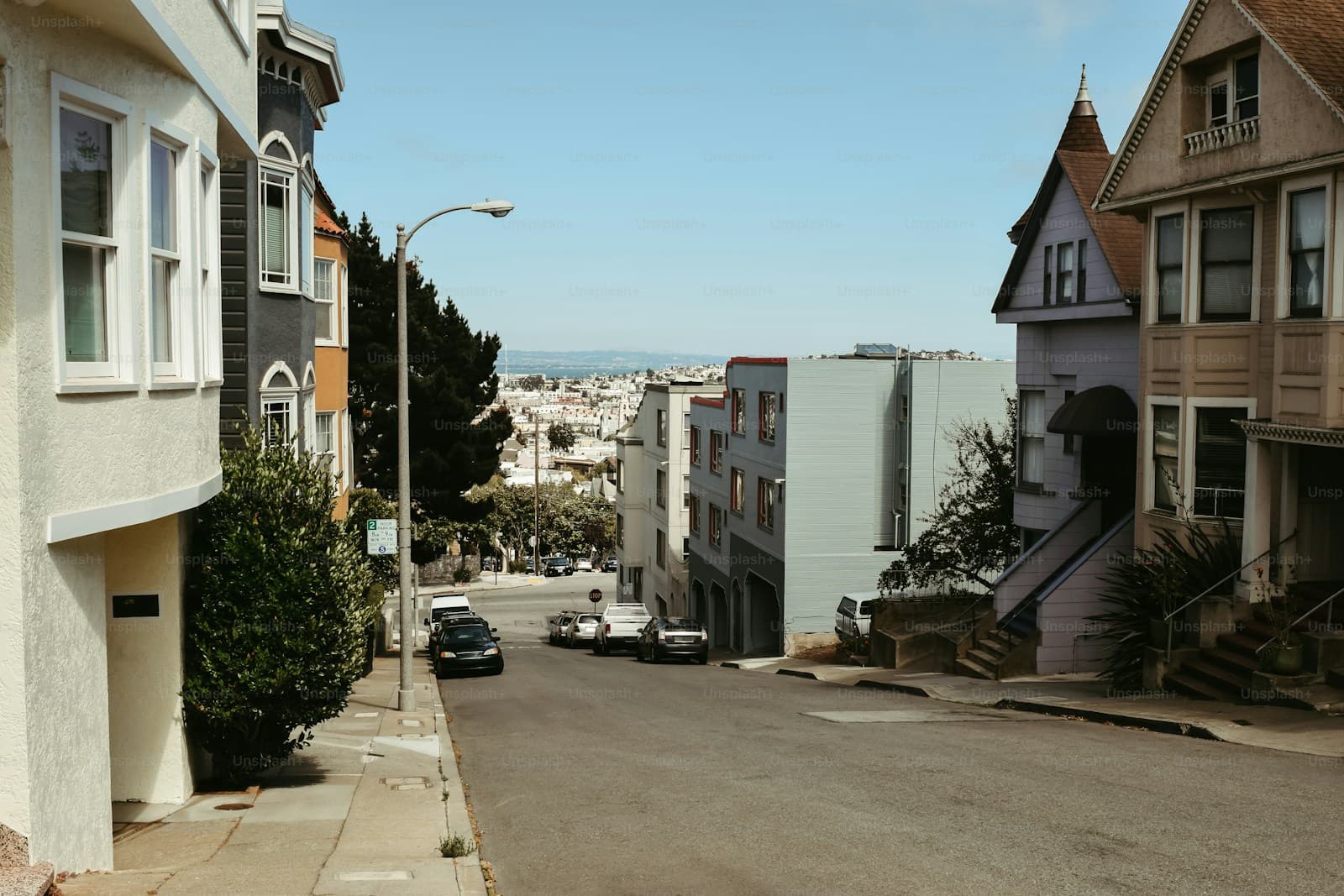
- Limited Parking and Street Risks: Tight street parking, steep hills, and frequent parking collisions increase minor claim frequency citywide. Carriers factor this into collision coverage pricing, especially for drivers already carrying violations or at-fault accidents.
- DMV Point System and SR-22 Triggers: California suspends licenses at 4 points in 12 months, 6 points in 24 months, or 8 points in 36 months. DUI, reckless driving, and suspension trigger SR-22 requirements; most speeding tickets and minor violations do not. Points remain on your record for 3–10 years depending on violation severity, but most affect rates for 3–5 years.
Compare rates from carriers that work with drivers who have points
Standard carriers surcharge heavily after violations. These specialists price your specific record differently.
Get Your Free QuoteCoverage Recommendations
Cost estimates are based on available industry data and vary by driver profile. These are not insurance quotes.
Liability Insurance
California's minimum liability limits are 15/30/5, but high-risk drivers in San Francisco should consider 100/300/100 or higher given the city's elevated lawsuit risk and high medical costs. Minimum coverage leaves you exposed in serious accidents, and many non-standard carriers require higher limits for SR-22 policies.
$95–$220/mo for minimum limits; $140–$320/mo for 100/300/100Estimated range only. Not a quote.
Full Coverage
Full coverage combines liability, collision, and comprehensive — essential for financed vehicles or high-value cars, but expensive for high-risk drivers in San Francisco due to the city's theft and collision frequency. Expect $250–$500/mo after a DUI or multiple violations, with deductibles of $500–$1,000 to manage premium costs.
$250–$500/mo after DUI or major violationsEstimated range only. Not a quote.
Uninsured Motorist Coverage
With over 15% of San Francisco drivers uninsured, uninsured/underinsured motorist coverage is critical for high-risk policyholders. This coverage protects you when an at-fault driver lacks insurance or flees the scene — common in higher-density neighborhoods — and costs $20–$60/mo depending on limits.
$20–$60/mo for UM/UIM endorsementEstimated range only. Not a quote.
Non-Standard Auto Insurance
Non-standard carriers specialize in high-risk drivers and SR-22 filings in San Francisco, writing policies standard carriers decline after DUIs, suspensions, or multiple violations. Rates run higher — typically $185–$450/mo — but these insurers offer paths back to standard market coverage after 2–3 years of clean driving.
$185–$450/mo for non-standard policiesEstimated range only. Not a quote.