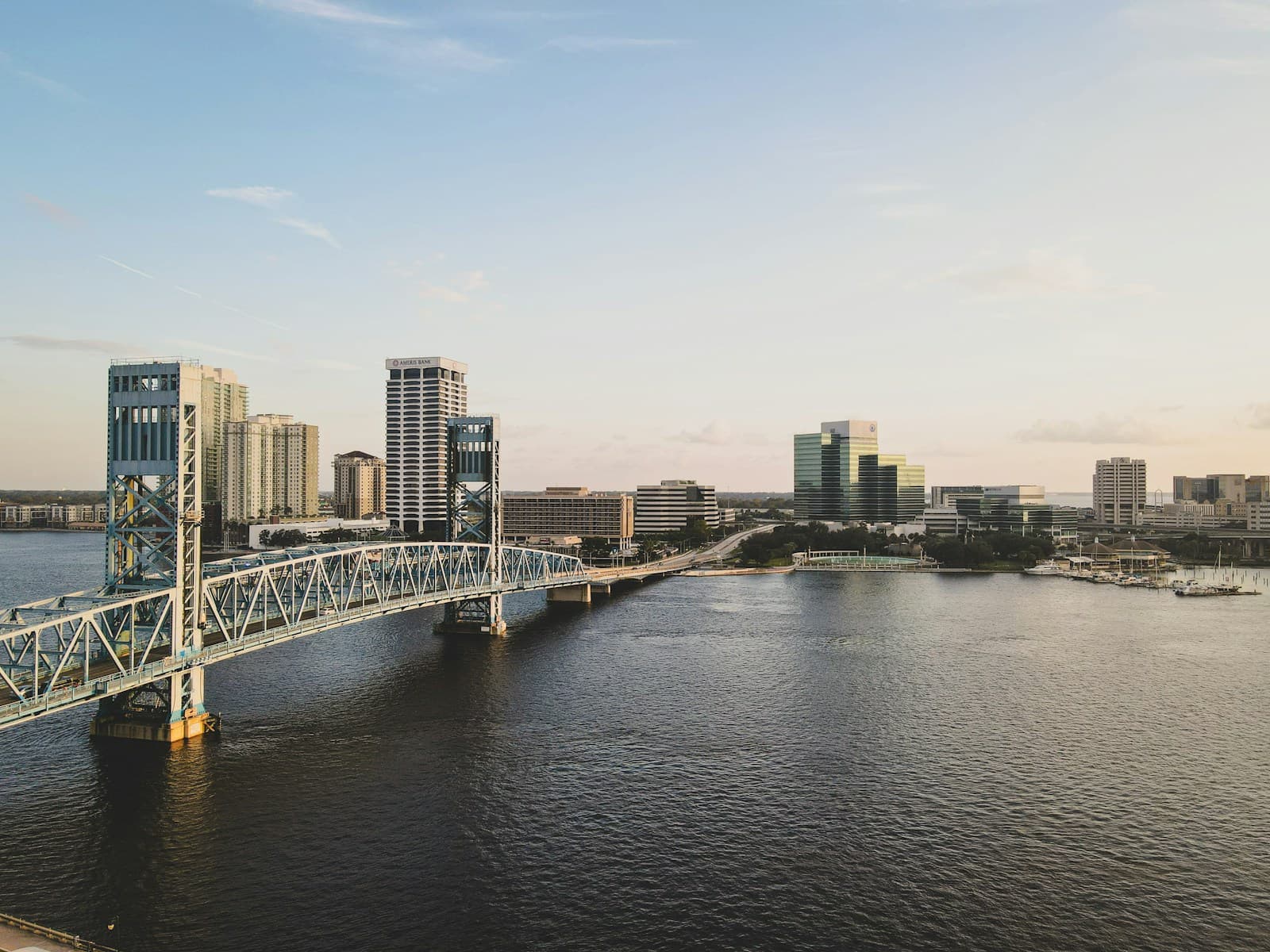
What Affects Rates in Jacksonville
- I-95 and I-295 Corridor Density: Jacksonville's highway network sees heavy commuter and commercial traffic, particularly along I-95 through downtown and the I-295 beltway. High-risk drivers with at-fault accidents or speeding violations in these zones often see steeper rate increases due to elevated accident frequency data used in underwriting models.
- Duval County Uninsured Motorist Rate: Florida consistently reports uninsured driver rates near 20%, among the highest nationally. This drives up uninsured motorist coverage costs for all drivers, but high-risk applicants face compounded premiums since non-standard carriers price this coverage more aggressively.
- Northside and Westside Neighborhood Variation: Zip codes in Jacksonville's Northside (32208, 32209) and Westside (32254, 32244) often show higher claim frequency and theft rates, which non-standard insurers factor into risk scoring. High-risk drivers in these areas may pay 15–25% more than those in Southside or Ponte Vedra Beach zip codes.
- Hurricane and Flood Exposure: Jacksonville's coastal location and St. Johns River flood zones affect comprehensive coverage costs. High-risk drivers already paying elevated premiums see this reflected most in full-coverage policies, where comprehensive is bundled with collision.
- No-Fault PIP Requirement: Florida's no-fault system mandates $10,000 in Personal Injury Protection regardless of fault history. High-risk drivers pay higher PIP premiums than clean-record drivers because insurers price PIP based on overall risk profile, not just injury claims.
Compare rates from carriers that work with drivers who have points
Standard carriers surcharge heavily after violations. These specialists price your specific record differently.
Get Your Free QuoteCoverage Recommendations
Cost estimates are based on available industry data and vary by driver profile. These are not insurance quotes.
SR-22 Insurance
SR-22 is a state filing proving you carry Florida's minimum liability, required after DUI, serious violations, or license suspension. The filing itself costs $25–$50, but underlying high-risk premiums in Jacksonville typically range $185–$340/mo for full coverage depending on violation severity.
$25–$50 filing + high-risk premiumEstimated range only. Not a quote.
Liability Insurance
Florida requires $10,000 property damage liability but does not mandate bodily injury liability unless you're an SR-22 filer. High-risk drivers in Jacksonville buying liability-only to meet SR-22 requirements typically pay $90–$160/mo, far higher than clean-record minimums.
$90–$160/mo (SR-22 liability-only)Estimated range only. Not a quote.
Full Coverage
Full coverage (liability + collision + comprehensive + PIP) is standard for financed vehicles and recommended for high-risk drivers in hurricane-prone Jacksonville. Expect $185–$340/mo after a DUI or major violation, with collision being the costliest component due to prior at-fault history.
$185–$340/mo post-violationEstimated range only. Not a quote.
Uninsured Motorist Coverage
With Florida's ~20% uninsured driver rate and Jacksonville's heavy I-95 commuter traffic, uninsured motorist coverage protects you when at-fault drivers lack insurance. High-risk policies price this coverage 20–30% higher than standard due to elevated claim probability in non-standard carrier pools.
20–30% higher for high-risk driversEstimated range only. Not a quote.