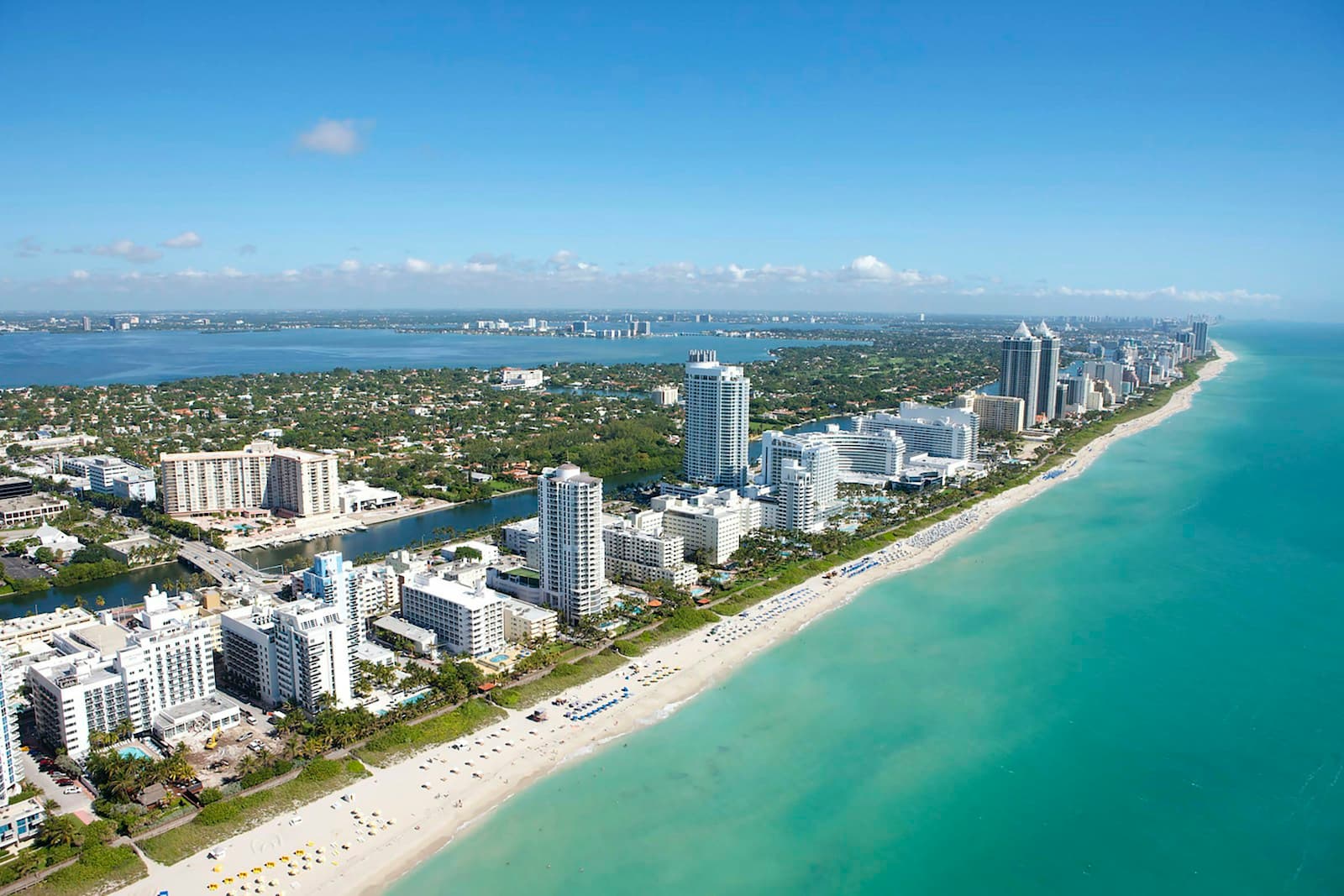
What Affects Rates in Miami
- High Accident Corridor Concentration: Miami's urban core and major corridors including I-95, US-1, and the Palmetto Expressway experience elevated accident rates due to congestion, aggressive driving patterns, and high traffic volume. Drivers with at-fault accidents or multiple violations in these zones typically see premium increases of 60–140% over clean-record rates, as carriers price for repeat-incident probability in dense traffic environments.
- Elevated Uninsured Motorist Rate: Approximately 20% of drivers in Miami-Dade County operate without insurance, one of the highest concentrations in Florida. High-risk drivers are often required by non-standard carriers to carry uninsured motorist coverage at higher limits, adding $30–$70/mo to premiums, as the likelihood of an uninsured at-fault party in a subsequent accident is statistically significant.
- Non-Standard Carrier Market Concentration: Miami has a robust non-standard insurance market with regional carriers specializing in high-risk policies, including drivers with DUIs, license suspensions, and SR-22 requirements. Rate variation between carriers can exceed 80% for the same driver profile, making multi-carrier comparison essential for cost management.
- Point System Impact on Policy Renewal: Florida's point system assigns 3–6 points for common violations; drivers reaching 12 points in 12 months face a 30-day suspension. In Miami's competitive insurance market, even 3–4 points from a single speeding ticket can trigger a 20–40% rate increase at renewal, with points remaining on your record for 3–5 years depending on violation severity.
- Hurricane and Weather-Related Claims History: Miami's exposure to hurricanes and severe weather increases comprehensive coverage costs for all drivers, but high-risk drivers face compounded pricing as non-standard carriers apply higher base rates and may require full coverage as a policy condition. Comprehensive premiums for high-risk drivers in Miami can run $50–$90/mo higher than inland Florida cities with lower weather exposure.
Compare rates from carriers that work with drivers who have points
Standard carriers surcharge heavily after violations. These specialists price your specific record differently.
Get Your Free QuoteCoverage Recommendations
Cost estimates are based on available industry data and vary by driver profile. These are not insurance quotes.
SR-22 Insurance
SR-22 is a certificate of financial responsibility filed by your insurer with the Florida DHSMV, required after DUI convictions, driving without insurance, or certain license suspensions. In Miami, the SR-22 filing itself costs $25–$50, but the underlying high-risk policy typically runs $185–$420/mo for full coverage, with non-standard carriers dominating this market.
$25–$50 filing + high-risk premiumEstimated range only. Not a quote.
Liability Insurance
Florida requires 10/20/10 minimum liability, but high-risk drivers in Miami should carry at least 100/300/100 due to the city's high accident and uninsured driver rates. Non-standard carriers often price liability-only policies at $90–$180/mo for drivers with violations, with rates scaling based on points, violation type, and years since incident.
$90–$180/mo for higher limitsEstimated range only. Not a quote.
Uninsured Motorist Coverage
With approximately 20% of Miami-Dade drivers uninsured, uninsured motorist coverage protects you if an at-fault driver has no insurance. Many non-standard carriers require UM coverage for high-risk policies, adding $30–$70/mo, but this is critical in Miami where the probability of an uninsured at-fault party is statistically elevated.
$30–$70/mo additionalEstimated range only. Not a quote.
Full Coverage
Full coverage combines liability, collision, and comprehensive, often required by lenders or non-standard carriers for high-risk drivers. In Miami, full coverage for a driver with a DUI or multiple violations typically costs $185–$420/mo, with significant rate variation across carriers. Shopping annually is essential as rates can drop 15–30% after the first renewal if no additional incidents occur.
$185–$420/mo with violationsEstimated range only. Not a quote.