What Affects Rates in Lansing
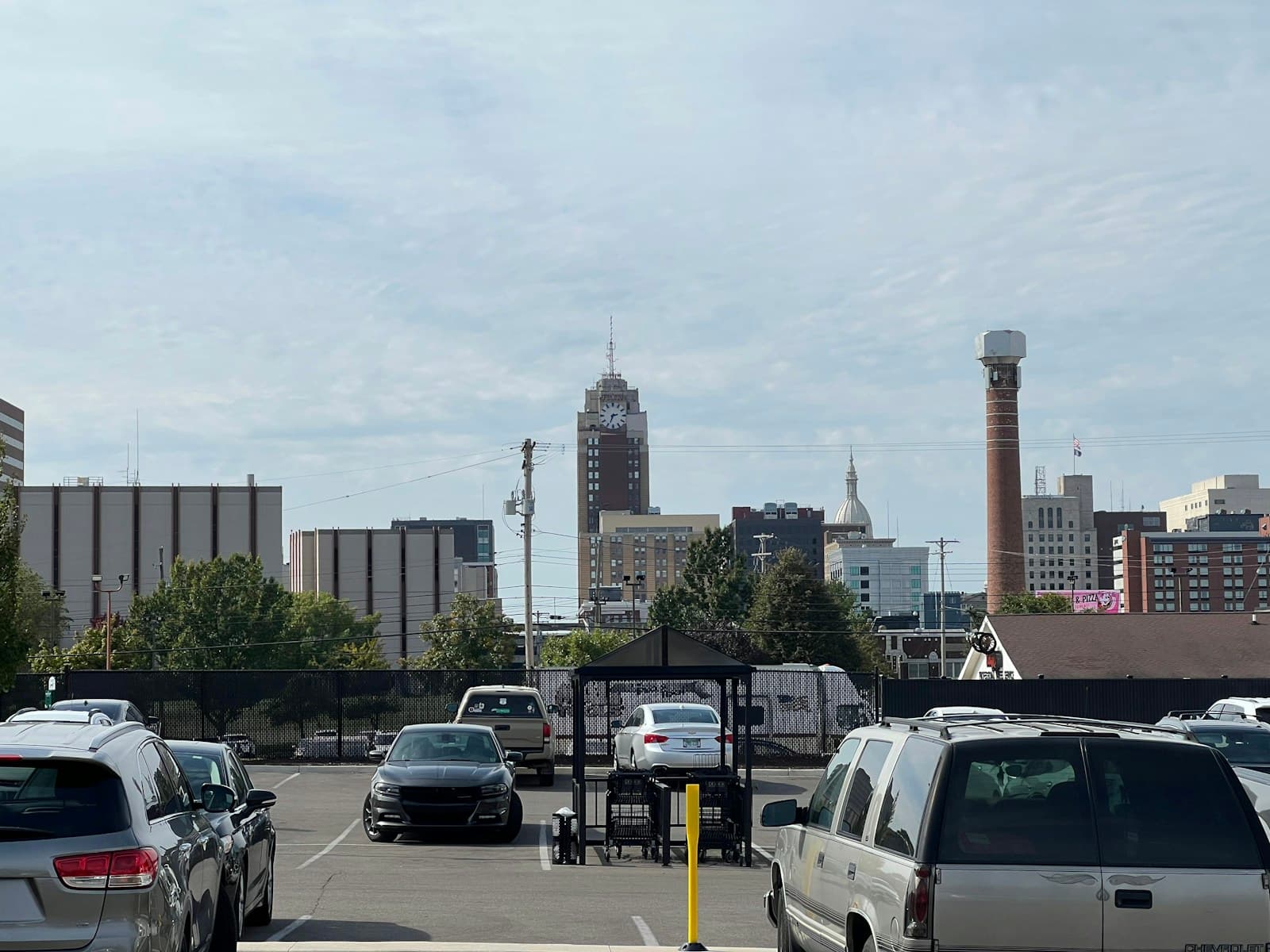
- Capital City Traffic Density: Lansing's role as Michigan's capital creates weekday congestion along I-496, US-127, and Michigan Avenue corridors, increasing accident frequency for drivers with existing violations. Carriers weight urban density heavily when calculating premiums after points, making location within Ingham County a significant rating factor.
- Michigan No-Fault PIP Requirements: Michigan's no-fault system requires Personal Injury Protection regardless of your driving record, and PIP rate increases compound violation-based surcharges. Drivers with points pay elevated rates on both liability and PIP portions of their premium, typically adding $60–$120/mo beyond the base violation penalty.
- Winter Weather Accident Rates: Lansing averages 51 inches of snow annually, and winter weather accidents between November and March are common along I-96 and Grand River Avenue. Carriers review at-fault winter accidents more critically when points already exist on your record, often extending surcharge periods or declining renewal.
- High Uninsured Motorist Concentration: Michigan's uninsured driver rate hovers near 20%, and Ingham County reflects this statewide pattern. Uninsured motorist coverage becomes essential for drivers with violations, as a second claim—even if you're not at fault—can push you into non-standard markets where coverage costs $250–$400/mo.
- Point Accumulation Speed on Urban Routes: Speeding citations on I-496 through downtown Lansing or US-127 near Michigan State University carry 3–4 points, and multiple violations within 24 months accelerate your approach to the 12-point suspension threshold. Carriers often non-renew policies at 8–10 points even before state suspension, forcing drivers into assigned risk pools.

Compare rates from carriers that work with drivers who have points
Standard carriers surcharge heavily after violations. These specialists price your specific record differently.
Get Your Free QuoteCoverage Recommendations
Cost estimates are based on available industry data and vary by driver profile. These are not insurance quotes.
Liability Insurance
Michigan requires 50/100/10 minimum liability limits, but drivers with violations should carry 100/300/100 to protect assets if a second at-fault accident occurs. Liability-only policies for drivers with points in Lansing typically cost $95–$160/mo, significantly higher than the clean-record range due to increased risk weighting.
$95–$160/mo with violationsEstimated range only. Not a quote.
Full Coverage
Full coverage combines liability, collision, comprehensive, and PIP, and drivers with points in Lansing face premiums of $180–$340/mo depending on violation type and vehicle value. Carriers often require higher deductibles ($1,000–$2,500) for drivers with recent at-fault accidents to offset collision claim risk.
$180–$340/mo with pointsEstimated range only. Not a quote.
Uninsured Motorist Coverage
With approximately 20% of Michigan drivers uninsured, uninsured motorist coverage protects you if hit by an uninsured driver while you already have points on your record. A second claim—even one where you're not at fault—can trigger non-renewal or force you into non-standard markets, making this coverage critical in Lansing's urban environment.
$15–$35/mo additionalEstimated range only. Not a quote.
Non-Standard Auto Insurance
Drivers who accumulate 8+ points or face non-renewal from standard carriers move into non-standard markets, where Lansing premiums range from $250–$450/mo for full coverage. Non-standard carriers accept higher-risk profiles but require continuous coverage and often mandate payment plans with higher down payments ($200–$500).
$250–$450/mo full coverageEstimated range only. Not a quote.