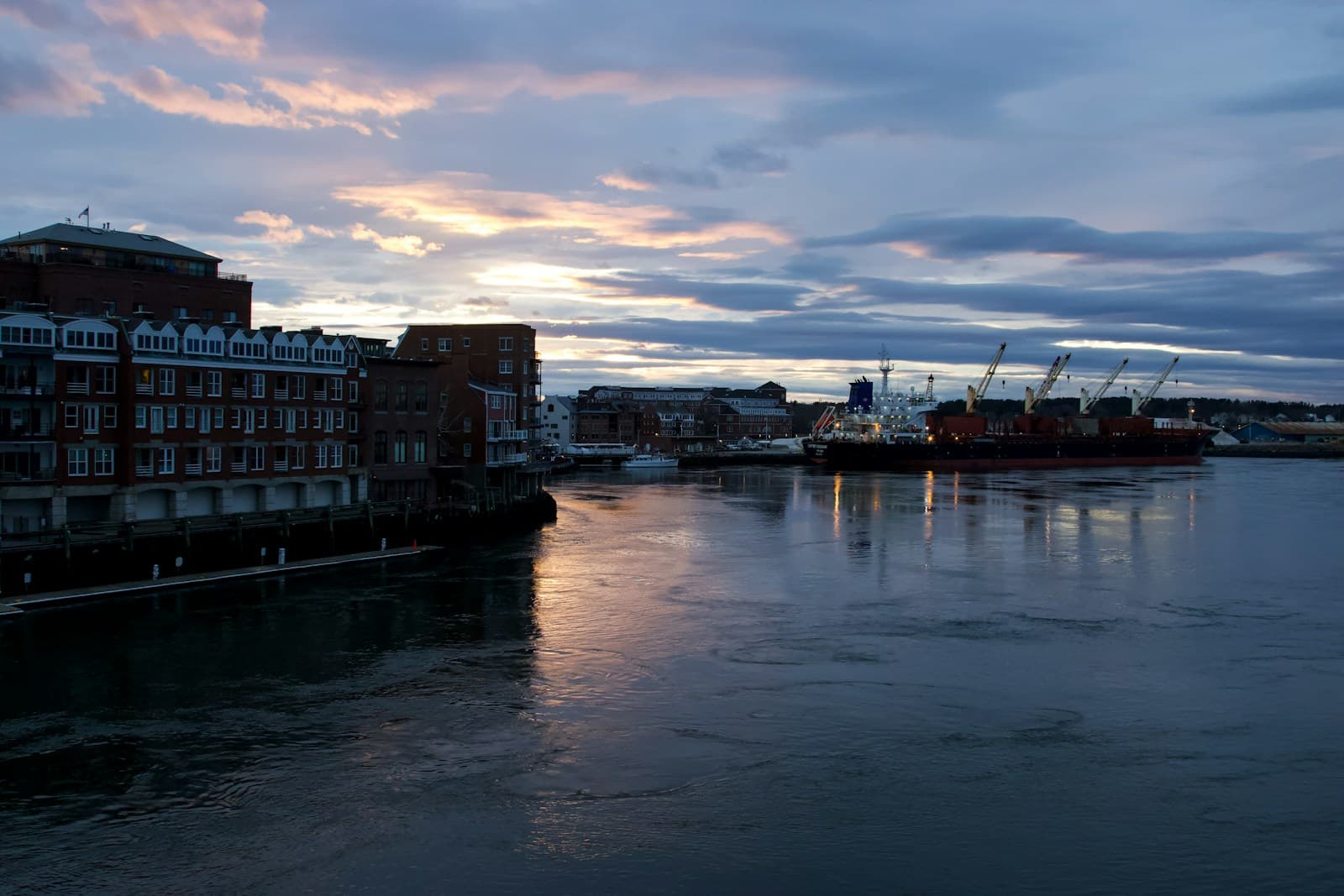
What Affects Rates in Portsmouth
- Coastal Corridor Congestion: Portsmouth's concentration of traffic along US-1, I-95, and the Memorial Bridge creates higher accident frequency during tourist season (May–October), which drives up collision and liability premiums for drivers with existing at-fault accidents. Carriers price Portsmouth zip codes 03801 and 03802 higher than inland New Hampshire communities due to this density.
- High Uninsured Motorist Rates in Seacoast Region: New Hampshire does not mandate auto insurance for all drivers, resulting in approximately 10–12% uninsured motorist rates statewide, with concentrations in coastal tourist areas. High-risk drivers in Portsmouth face elevated uninsured motorist coverage costs because one additional at-fault accident with an uninsured driver can trigger non-renewal.
- Winter Weather and Lapse Risk: Portsmouth averages 50+ inches of snow annually, with frequent nor'easters creating hazardous driving conditions November through March. Drivers with prior at-fault accidents or SR-22 requirements see steeper rate increases after winter weather claims, and any coverage lapse during the SR-22 filing period restarts the 3-year clock.
- DUI Enforcement and SR-22 Triggers: New Hampshire requires SR-22 (technically a Certificate of Financial Responsibility) for DUI convictions, refusals to submit to chemical tests, driving after suspension, and accumulating 12+ points within 12 months. Portsmouth's proximity to nightlife districts in downtown and the Seacoast region results in consistent DUI enforcement, with BAC over 0.08% triggering automatic SR-22 filing requirements through the NH DMV.
- Limited Non-Standard Carrier Competition: New Hampshire's smaller population base means fewer non-standard carriers write high-risk policies compared to neighboring Massachusetts, reducing competitive pressure on rates. Portsmouth drivers with SR-22 requirements often receive the most competitive quotes from Progressive, The General, and regional non-standard carriers rather than captive or preferred carriers.
Compare rates from carriers that work with drivers who have points
Standard carriers surcharge heavily after violations. These specialists price your specific record differently.
Get Your Free QuoteCoverage Recommendations
Cost estimates are based on available industry data and vary by driver profile. These are not insurance quotes.
Liability Insurance
New Hampshire requires 25/50/25 minimums only after certain violations, including DUI or SR-22-triggering events. High-risk drivers in Portsmouth should carry 100/300/100 to protect assets and avoid out-of-pocket costs in multi-vehicle accidents common on I-95 and coastal routes.
$110–$220/mo for high-risk driversEstimated range only. Not a quote.
Full Coverage
Combining liability, collision, and comprehensive is essential for financed vehicles and provides the broadest protection for Portsmouth drivers with prior at-fault accidents. Full coverage premiums for high-risk drivers run $185–$340/mo depending on violation recency and vehicle value.
$185–$340/mo with prior violationsEstimated range only. Not a quote.
Uninsured Motorist Coverage
New Hampshire's lack of mandatory insurance laws results in 10–12% uninsured driver rates, making UM/UIM coverage critical for Portsmouth drivers who already have points or violations. Adding $50,000/$100,000 UM coverage costs $15–$35/mo but protects against rate spikes from not-at-fault accidents with uninsured drivers.
$15–$35/mo for 50/100 limitsEstimated range only. Not a quote.
SR-22 Insurance
SR-22 is a state-mandated Certificate of Financial Responsibility filed by your insurer to prove continuous coverage after DUI, refusal, or suspension. The filing itself costs $25–$50, but the underlying violation raises premiums significantly; non-standard carriers in Portsmouth offer the most competitive SR-22 policies.
$25–$50 filing fee; premiums vary by violationEstimated range only. Not a quote.