
What Affects Rates in Cincinnati
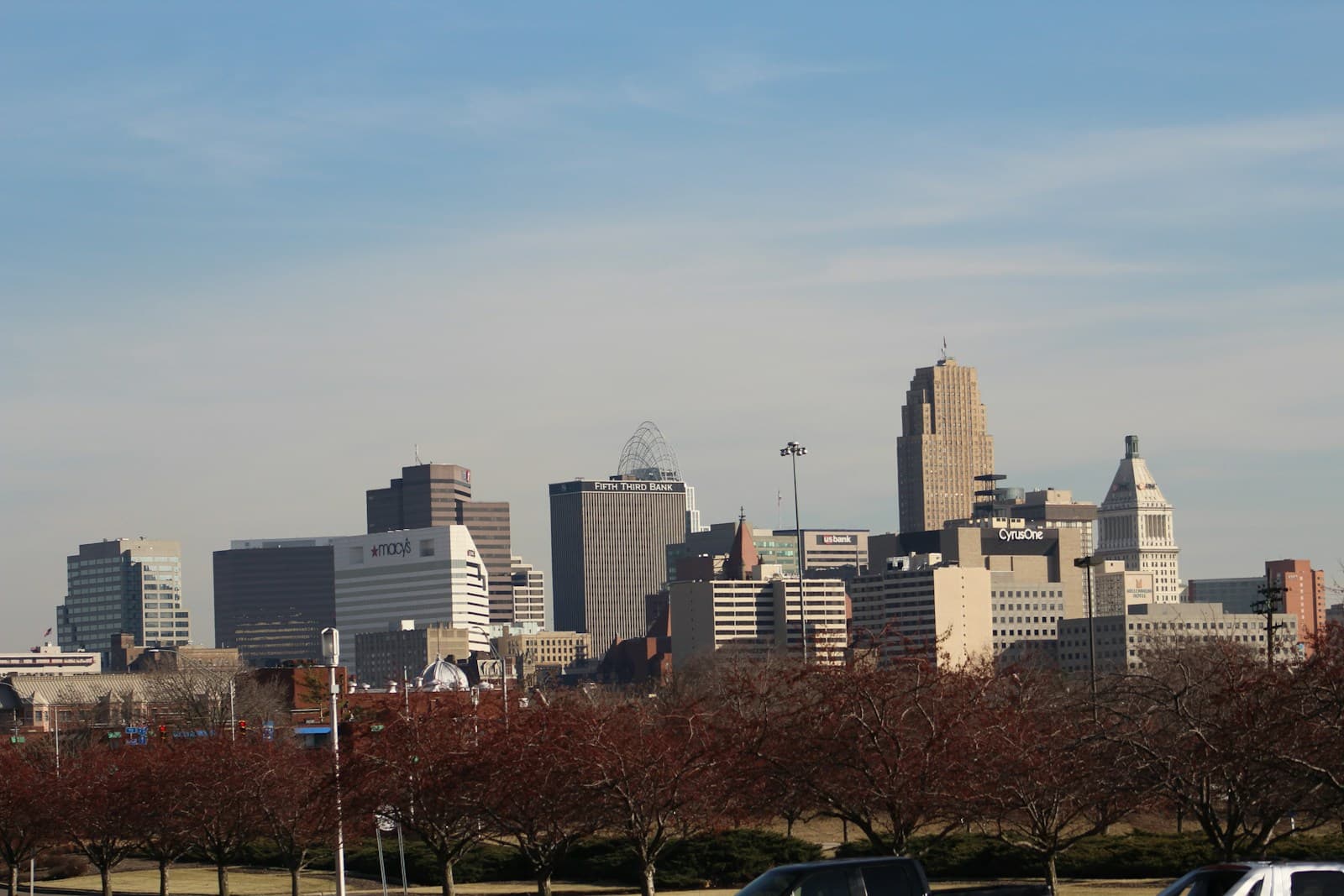
- Urban Traffic Density: Cincinnati's downtown corridors—I-71, I-75, and the Fort Washington Way interchange—generate higher accident frequency than suburban Hamilton County routes. Carriers price collision and liability coverage higher for drivers with existing violations living in zip codes 45202, 45203, and 45214 due to elevated claim probability in congested areas.
- Ohio Point System Impact: Ohio assigns 2 points for speeding violations, 4 points for reckless operation, and 6 points for DUI—once you hit 12 points in 2 years, you face suspension. Points stay on your driving record for 2 years from conviction date, but insurers in Cincinnati typically surcharge for 3–5 years depending on violation severity and carrier underwriting.
- Uninsured Motorist Concentration: Ohio's uninsured driver rate sits near 13%, higher than the national average of 12.6%. Cincinnati's metro area sees elevated uninsured motorist claims in West End, Avondale, and Bond Hill neighborhoods—drivers with violations should prioritize uninsured motorist coverage to avoid out-of-pocket costs if hit by an uninsured driver.
- SR-22 Triggers in Ohio: Ohio requires SR-22 filing for DUI convictions, driving without insurance, accumulating 12+ points leading to suspension, or repeat serious violations. Standard speeding tickets and minor at-fault accidents do not trigger SR-22 unless they result in suspension—most drivers with points do not need SR-22, but those who do must maintain it for 3 years without lapses or restart the clock.
- Weather-Related Claim Rates: Cincinnati averages 22 inches of snow annually and frequent winter ice events on I-275 and Route 32. Drivers with existing at-fault accidents face higher comprehensive and collision premiums because insurers weight weather-related claims more heavily when you already have a loss history.
Compare rates from carriers that work with drivers who have points
Standard carriers surcharge heavily after violations. These specialists price your specific record differently.
Get Your Free QuoteCoverage Recommendations
Cost estimates are based on available industry data and vary by driver profile. These are not insurance quotes.
Liability Insurance
Ohio requires 25/50/25 minimums, but Cincinnati drivers with violations should carry 100/300/100 to protect against lawsuits in at-fault accidents—Hamilton County civil courts regularly award judgments exceeding state minimums. Non-standard carriers offering liability-only policies typically quote $120–$220/mo for drivers with recent tickets or at-fault accidents.
$120–$220/mo for high-risk driversEstimated range only. Not a quote.
Full Coverage
Full coverage (liability + collision + comprehensive) for Cincinnati drivers with violations typically runs $220–$380/mo depending on vehicle value and deductible. Lenders require full coverage on financed vehicles—expect carriers to quote higher collision premiums if you have an at-fault accident in the past 3 years, especially in high-traffic zip codes like 45219 and 45220 near UC campus.
$220–$380/mo with violationsEstimated range only. Not a quote.
Non-Standard Auto Insurance
Drivers with multiple violations, DUI, or lapses in Cincinnati often need non-standard carriers who specialize in high-risk profiles. These insurers—Progressive, The General, and regional Ohio carriers—price higher but offer monthly payment plans and reinstatement assistance. Rates start around $180/mo for liability-only and climb to $350/mo for full coverage depending on driving history.
$180–$350/mo depending on coverageEstimated range only. Not a quote.
Uninsured Motorist Coverage
With 13% of Ohio drivers uninsured and Cincinnati's urban claim frequency, uninsured motorist coverage protects you if hit by a driver with no insurance—especially critical if you already have violations and can't afford another rate spike from an uninsured driver accident. Adding 100/300 UM/UIM coverage typically costs $15–$35/mo extra, a fraction of potential out-of-pocket medical and repair costs.
$15–$35/mo additionalEstimated range only. Not a quote.