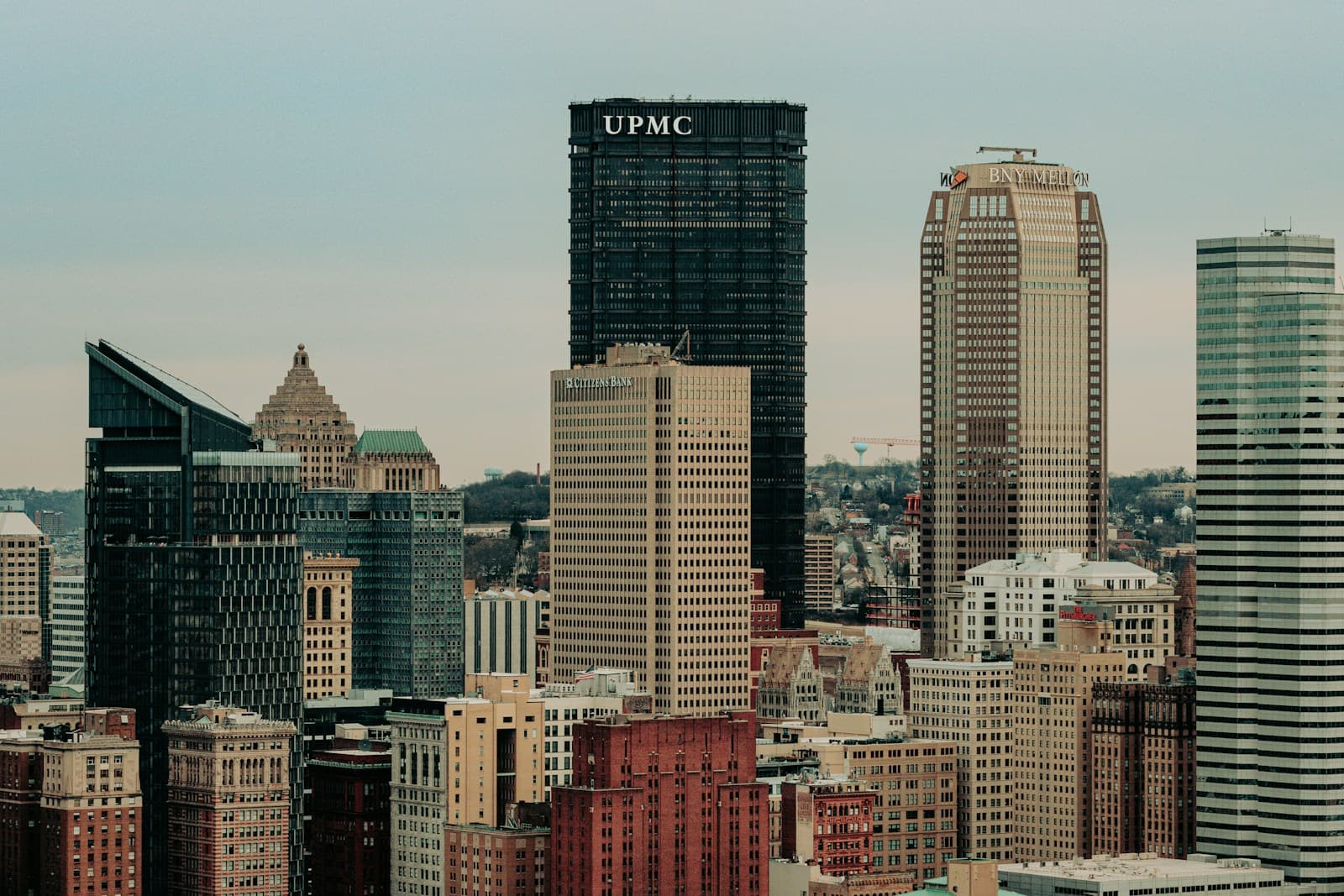
What Affects Rates in Pittsburgh
- Bridge and Tunnel Congestion: Pittsburgh's 446 bridges and Fort Pitt Tunnel bottlenecks create stop-and-go conditions that elevate rear-end accident risk. Drivers with existing at-fault accidents see steeper surcharges in high-congestion zones like the Liberty Tunnels corridor and I-376 interchanges.
- Steep Grade Neighborhoods: South Side slopes, Mount Washington, and Polish Hill feature grades exceeding 20%, which increase braking-related violations and weather accidents. Carriers often price comprehensive and collision higher for garaging addresses in these neighborhoods when the driver already has points.
- High Uninsured Driver Concentration: Allegheny County typically reports uninsured motorist rates near 8–10%, particularly in lower-income zip codes. High-risk drivers benefit from uninsured motorist coverage here, as a second accident with an uninsured driver compounds rate recovery timelines.
- Oakland and Downtown Parking Violations: Oakland's university district and Downtown's metered zones generate frequent parking and moving violations during peak hours. Accumulating additional points in these areas while already carrying violations can accelerate movement toward Pennsylvania's 6-point suspension threshold.
- Winter Road Treatment Delays: Pittsburgh's hilly terrain delays salt application on secondary roads during winter storms, increasing slide-off and weather-related claims. Drivers with prior at-fault accidents see sharper comprehensive rate increases when garaging in untreated hill neighborhoods like Squirrel Hill or Greenfield.

Compare rates from carriers that work with drivers who have points
Standard carriers surcharge heavily after violations. These specialists price your specific record differently.
Get Your Free QuoteCoverage Recommendations
Cost estimates are based on available industry data and vary by driver profile. These are not insurance quotes.
Liability Insurance
Pennsylvania's $15,000/$30,000/$5,000 minimums are among the lowest nationally and inadequate for Pittsburgh's bridge and tunnel accidents, which often involve multi-vehicle pileups. High-risk drivers should consider $50,000/$100,000/$25,000 to avoid out-of-pocket exposure after a second at-fault incident.
$110–$210/mo for minimum; $145–$275/mo for $50k/$100kEstimated range only. Not a quote.
Full Coverage
Combines liability, collision, and comprehensive. Essential for financed vehicles and high-value cars garaged in theft-prone areas like Homewood or Hill District. High-risk drivers typically pay $185–$340/mo depending on violation severity and deductible selection.
$185–$340/mo with $500–$1,000 deductibleEstimated range only. Not a quote.
Uninsured Motorist Coverage
Covers your injuries and vehicle damage when hit by an uninsured driver, common in Allegheny County. For drivers already carrying points, a second accident with an uninsured motorist can delay rate recovery by 3–5 years without this coverage.
+$15–$35/mo to base policyEstimated range only. Not a quote.
Non-Standard Auto Insurance
Required when standard carriers decline you after DUI, multiple violations, or license suspension. Non-standard carriers operating in Pittsburgh include regional and national specialists; expect 40–80% higher premiums than standard market but with path to re-tier after 2–3 clean years.
$220–$400/mo typical non-standard rangeEstimated range only. Not a quote.