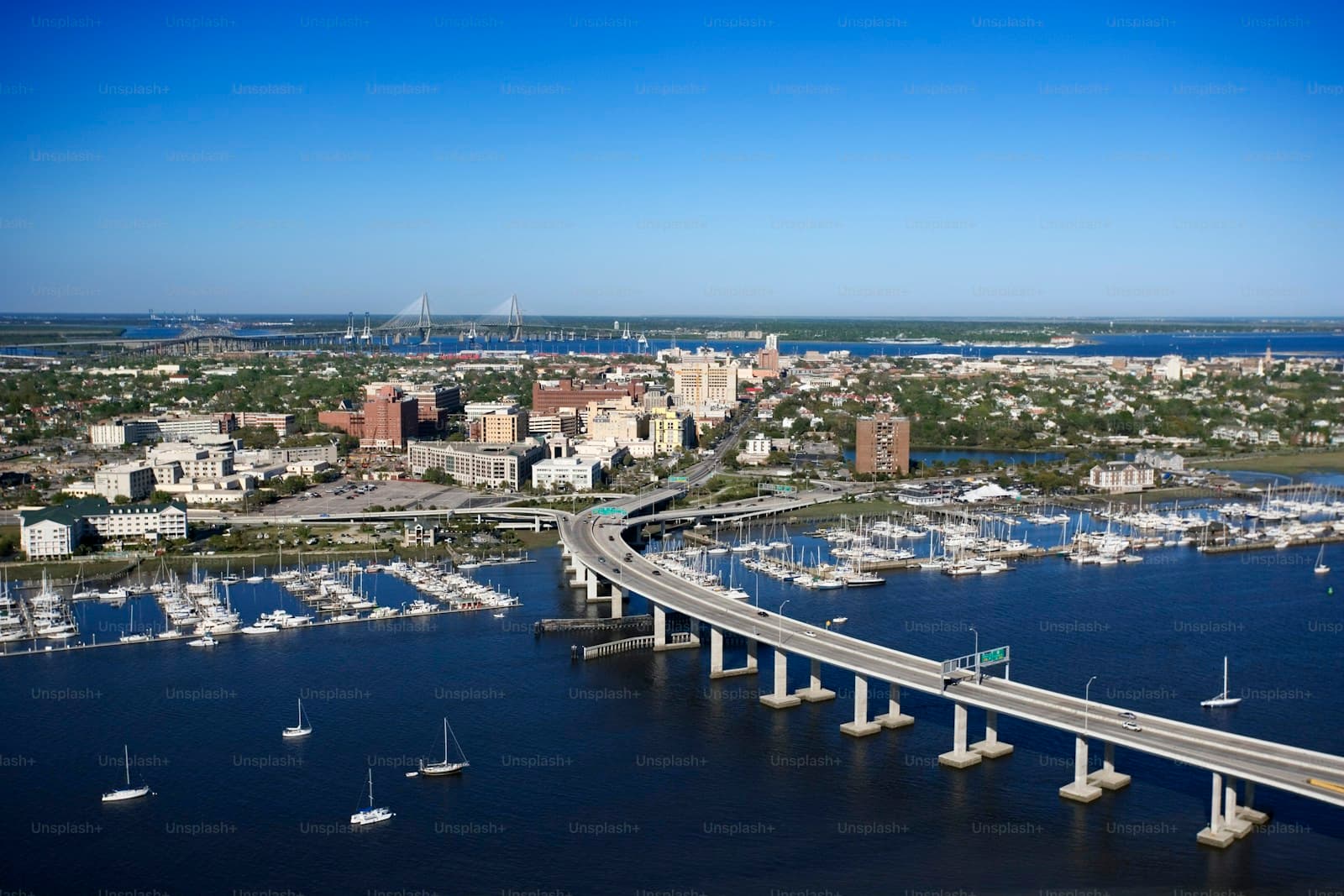
What Affects Rates in Charleston
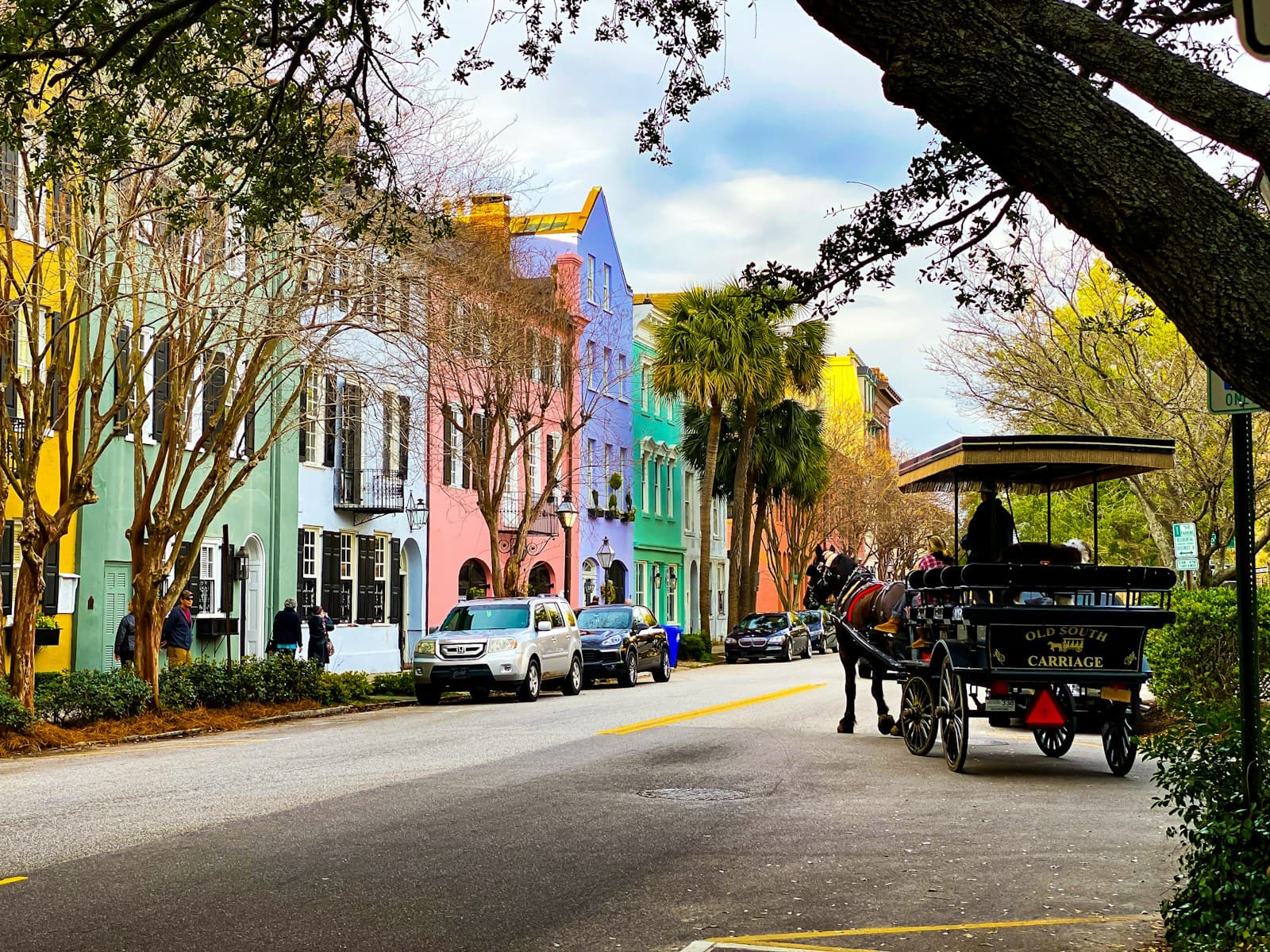
- Charleston Peninsula Traffic Congestion: Downtown Charleston's narrow historic streets and tourist traffic create higher accident frequency zones, particularly on Meeting Street, King Street, and the Crosstown. High-risk drivers with at-fault accidents on record face steeper liability premiums in 29401 and 29403 ZIP codes due to claims density.
- Hurricane Evacuation Zone Designation: Most of Charleston sits in hurricane evacuation zones A and B, which increases comprehensive coverage costs for all drivers. High-risk drivers already paying elevated rates see compounded costs when bundling full coverage, with comprehensive premiums typically $40–$80/month higher than inland South Carolina cities.
- Uninsured Driver Concentration: South Carolina's uninsured motorist rate typically runs 10–12%, with higher concentrations in North Charleston and West Ashley corridors. High-risk drivers benefit from uninsured motorist coverage here, as a second at-fault incident with an uninsured driver can trigger SR-22 requirements even for drivers currently avoiding it.
- I-26 and US-17 Corridor Claim Frequency: The I-26 corridor through North Charleston and US-17 through Mount Pleasant see elevated claim frequency due to commuter volume and tourism traffic. Drivers with speeding violations or at-fault accidents on these routes face higher rate increases than those with violations on secondary roads.
- Charleston County Court Processing Times: Charleston County Summary Court handles traffic violations, and processing times for point assessments typically run 30–60 days after conviction. This delay means rate increases from violations may not appear immediately, but once posted to the DMV record, carriers can apply surcharges retroactively at renewal.
Compare rates from carriers that work with drivers who have points
Standard carriers surcharge heavily after violations. These specialists price your specific record differently.
Get Your Free QuoteCoverage Recommendations
Cost estimates are based on available industry data and vary by driver profile. These are not insurance quotes.
Liability Insurance
South Carolina requires 25/50/25 minimums, but high-risk drivers in Charleston should carry higher limits due to coastal property values and lawsuit exposure. Liability-only policies for drivers with violations typically cost $100–$200/month, depending on how many points are on record and whether an at-fault accident is present.
$100–$200/mo for high-risk driversEstimated range only. Not a quote.
Full Coverage
Full coverage in Charleston for high-risk drivers combines liability, collision, and comprehensive, with total monthly costs typically ranging $200–$400. Coastal location inflates comprehensive premiums due to hurricane risk, and collision costs rise sharply if an at-fault accident is on record within the past three years.
$200–$400/mo for high-risk profilesEstimated range only. Not a quote.
Uninsured Motorist Coverage
South Carolina has elevated uninsured driver rates, and Charleston's dense traffic corridors increase exposure. High-risk drivers should prioritize uninsured motorist coverage at limits matching or exceeding liability limits, as a second incident with an uninsured driver can trigger SR-22 or license suspension even without fault.
$15–$40/mo additionalEstimated range only. Not a quote.
Non-Standard Auto Insurance
Drivers with DUIs, SR-22 requirements, or multiple at-fault accidents in Charleston typically need non-standard carriers. These carriers specialize in high-risk profiles and offer monthly payment plans, but premiums run 50–150% higher than standard market rates depending on violation severity and time since incident.
$150–$350/mo typical rangeEstimated range only. Not a quote.