What Affects Rates in Fairbanks
- Limited Carrier Competition: Fairbanks has fewer insurance carriers than Anchorage or Juneau, with many national high-risk insurers declining to write policies in Interior Alaska. This reduced competition means drivers with violations have 3–5 carrier options instead of the 8–12 available in lower-48 cities of similar size, limiting your ability to shop for lower rates after a ticket or accident.
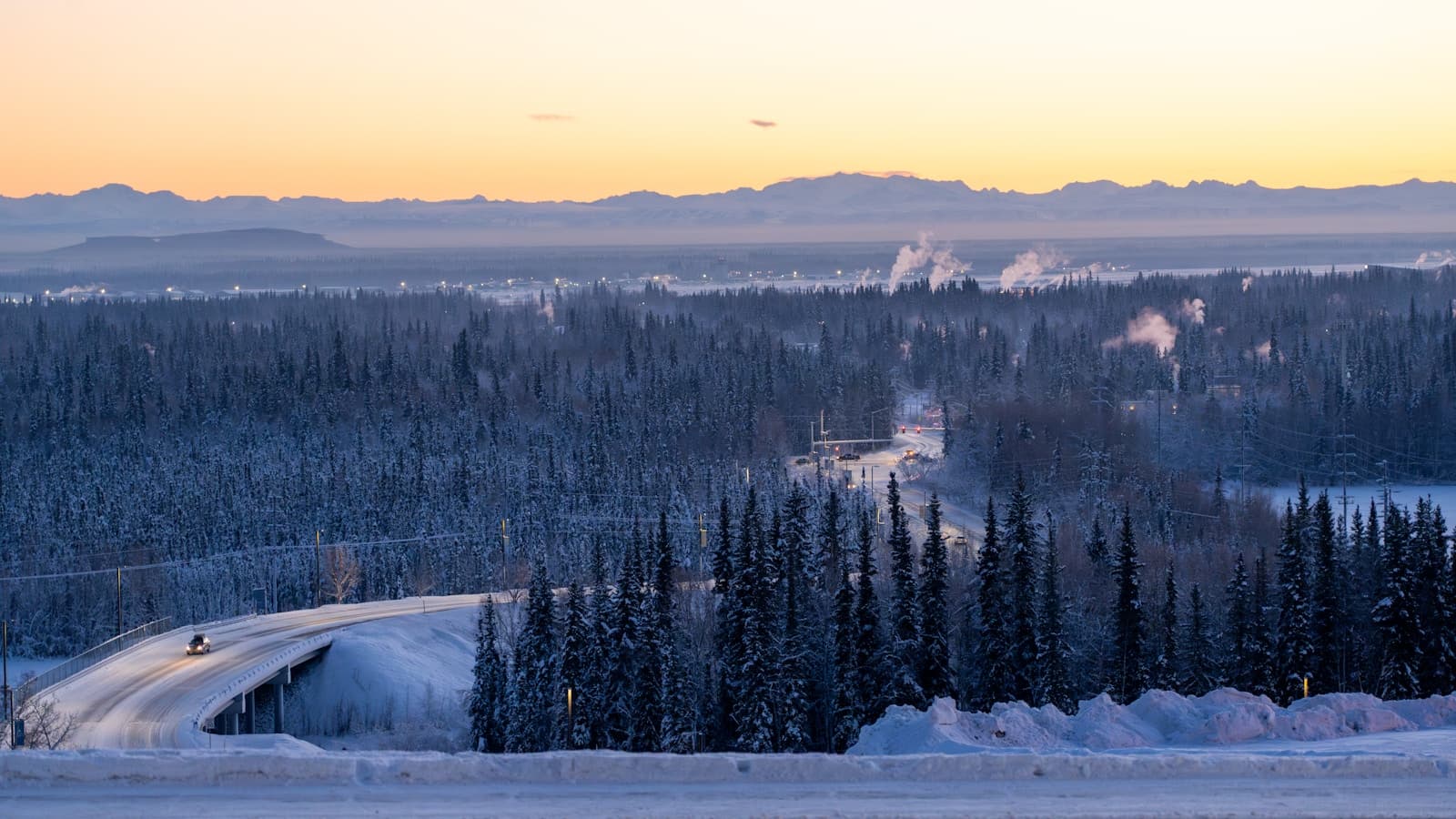
- Extreme Winter Driving Conditions: Fairbanks experiences temperatures below -20°F for weeks at a time and ice fog that reduces visibility to near zero, creating elevated accident risk from October through March. Carriers factor this 6-month high-risk season into all Fairbanks premiums, but drivers with existing violations see disproportionate increases—typically 15–25% higher than clean-record drivers—because insurers view winter conditions as compounding existing risk.
- High Uninsured Motorist Rate: Alaska consistently ranks among the top 10 states for uninsured drivers, with rural areas including Fairbanks showing rates estimated at 18–22% uninsured. If you're already classified as high-risk and are hit by an uninsured driver, your own carrier may surcharge you for the claim even when you're not at fault, making uninsured motorist coverage particularly important in Fairbanks.
- Remote Location and Repair Costs: Parts and labor in Fairbanks cost 20–35% more than in Anchorage due to shipping logistics and limited repair facilities. Higher comprehensive and collision claim payouts translate to higher premiums for drivers with violations, as carriers price in the expectation that any future claim—even a minor one—will be more expensive to resolve than in urban areas with competitive repair markets.
- Court Processing and Point Duration: Fairbanks-area traffic citations are processed through the Alaska Court System's Fourth Judicial District, where processing times for defensive driving course approvals and point reduction petitions can stretch 8–12 weeks. Delayed point removal means your high-risk classification—and corresponding premium—persists longer than in jurisdictions with faster administrative processing, extending your rate recovery timeline by 2–3 months on average.
Compare rates from carriers that work with drivers who have points
Standard carriers surcharge heavily after violations. These specialists price your specific record differently.
Get Your Free QuoteCoverage Recommendations
Cost estimates are based on available industry data and vary by driver profile. These are not insurance quotes.
SR-22 Insurance
Alaska requires SR-22 for DUI convictions, license suspensions for accumulating too many points, and driving without insurance. The SR-22 itself costs $25–$50 to file in Fairbanks, but the underlying high-risk policy—often from a non-standard carrier—drives your total premium to $180–$350/mo depending on violation severity and driving history.
$25–$50 filing + high-risk premiumEstimated range only. Not a quote.
Liability Insurance
Alaska requires 50/100/25 minimum liability limits, but Fairbanks drivers with violations should strongly consider 100/300/100 or higher due to the state's at-fault tort system and high repair costs. If you cause an accident in winter conditions—common for drivers already flagged as high-risk—minimum limits may not cover medical bills or vehicle damage, leaving you personally liable for the difference.
$120–$280/mo for drivers with violationsEstimated range only. Not a quote.
Uninsured Motorist Coverage
With Alaska's uninsured driver rate estimated at 18–22%, uninsured motorist coverage protects you when hit by a driver with no insurance—a frequent scenario in Fairbanks and surrounding areas. For drivers already in the high-risk category, this coverage prevents a not-at-fault accident from triggering another rate increase, as your UM coverage pays your claim instead of forcing a collision claim against your own policy.
$15–$35/mo additionalEstimated range only. Not a quote.
Full Coverage
Full coverage (liability + collision + comprehensive) in Fairbanks runs $200–$400/mo for drivers with violations, but it's often required if you're financing a vehicle or need SR-22. Comprehensive is particularly relevant in Fairbanks due to moose collisions, vandalism during extreme cold, and theft—all of which occur at higher rates in winter months when your vehicle is parked or left running to stay warm.
$200–$400/mo with violation historyEstimated range only. Not a quote.